Portugal After the Move: What Americans Often Underestimate
Portugal can be an attractive destination, but the practical experience of living there may differ from the expectations created by travel and relocation marketing.
By Americans Abroad Europe
19 August 2026 · 8 min read
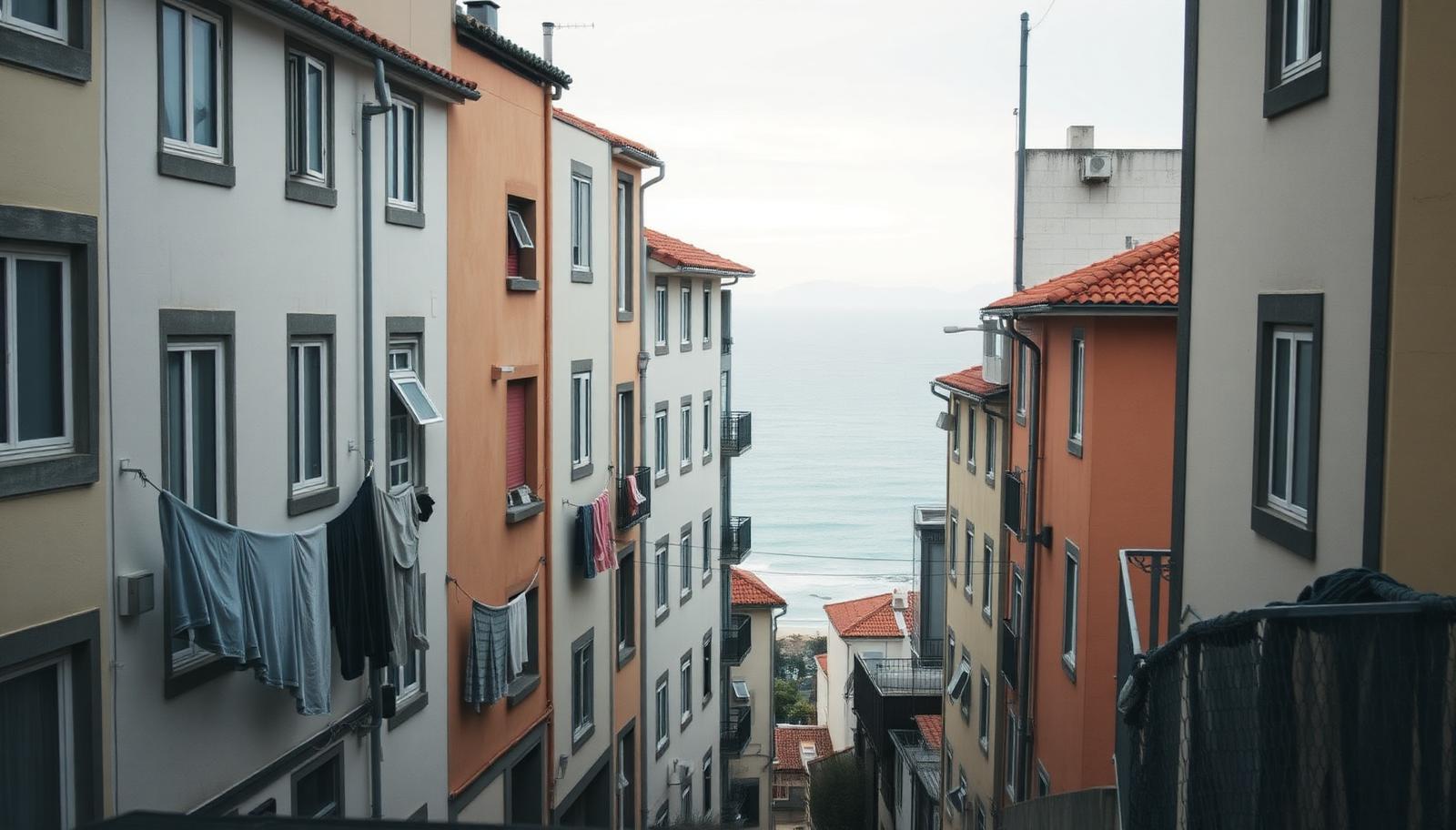
Portugal has been marketed heavily to Americans over the past decade, and much of what circulates online is either out of date or written to sell something. The country continues to suit many people well. The difference between a good outcome and a disappointing one usually comes down to whether the household planned for the ordinary parts of living there rather than the promotional version.
Housing costs and availability
Housing is the most common source of surprise. Rents and purchase prices in Lisbon and Porto have risen substantially, supply in desirable areas is limited, and landlords in competitive markets can be selective about documentation and guarantees. Figures quoted in older articles frequently no longer describe the market.
Quality is a separate question from price. Much of the older housing stock was built for a mild climate rather than for winter comfort, with limited insulation and no central heating. Damp is a common complaint along the coast. Viewing a property in October rather than July tells you more.
Administrative timelines
Portuguese administration has been under pressure, particularly in immigration processing, and delays have been widely reported by residents in recent years. Appointments can be scarce, and a step that appears simple on paper may take months to schedule. This is not a reason to avoid the country, but it is a reason to build slack into plans, avoid non refundable commitments that depend on a document arriving by a date, and keep prior coverage and arrangements in place longer than seems necessary.
Language
It is easy to visit Portugal in English and harder to live there in English once you step outside Lisbon, Porto, and the Algarve. Health centers, tax offices, municipal services, schools, and tradespeople generally operate in Portuguese. European Portuguese is also less accessible to beginners than its written form suggests, since spoken pronunciation compresses heavily. Residents who study consistently from the start describe a very different daily experience from those who postpone it.
Healthcare access
The public system is generally well regarded and inexpensive at the point of use. What varies is access: the availability of an assigned family doctor differs by region and municipality, and waiting times for non urgent specialist appointments can be long. Many residents therefore hold private insurance in addition to public coverage. Insurance terms deserve reading in detail, particularly regarding pre existing conditions, age limits at renewal, and what is excluded.
Local tax questions
Portugal has its own residency based tax rules, and special regimes for new residents have changed more than once. Descriptions of tax treatment published a few years ago may no longer reflect current law, and eligibility conditions for any regime are specific. Nothing here should be read as a statement that a particular regime applies, is beneficial, or will remain available.
The general point is that tax position should be established with a qualified Portuguese tax professional before arrival dates and registrations are fixed, because timing can determine treatment. For U.S. citizens, a second professional competent in continuing U.S. obligations is usually needed alongside.
Maintaining U.S. accounts
U.S. institutions vary in how they treat clients with a foreign address, and some restrict or close accounts. Authentication tied to a U.S. phone number is a recurring failure point. Brokerage accounts, retirement plans, and banking may each be treated differently within the same institution. None of this is unmanageable, and all of it is easier to handle before the move than after an account has been frozen.
It is also worth remembering that U.S. filing obligations generally continue regardless of residence, and that certain foreign account reporting requirements apply once thresholds are met. These are administrative facts rather than tax outcomes, and they persist for as long as citizenship does.
Regional differences
Portugal is small enough that people assume uniformity. In practice, the Algarve in winter, inland Alentejo, Porto in the rain, and Lisbon at rush hour are different places to live. Services, community, employment, transport, and even the amount of Portuguese required change significantly across short distances. Spending time in a shortlisted area out of season is the most reliable form of research available.
The difference between a temporary stay and a long term life
A year in Portugal and a life in Portugal are different projects. A long term life brings in schooling, career continuity, healthcare as people age, property decisions, succession and estate documents, and the question of where family will be in ten years. Those subjects rarely appear in relocation marketing and are the ones that determine whether the move holds.
Americans who approach Portugal with realistic expectations tend to be glad they moved. The unrealistic version, built on affordability claims and simplified summaries of residency and tax rules, is the one that produces expensive corrections in the second year.
Related resources
Americans Abroad Europe provides general educational information only. This article does not constitute legal, tax, immigration, accounting, investment, financial, property, or real estate advice. Rules and procedures may change, and individual circumstances vary. Readers should consult appropriately qualified professionals regarding their own situation.