Choosing Where to Live in Portugal: Beyond Lisbon
Portugal offers very different living experiences depending on the region. Americans should compare practical realities, not only scenery and climate.
By Americans Abroad Europe
26 August 2026 · 9 min read
Portugal is a small country with a wide range of living conditions. Housing markets, transport, healthcare access, seasonality, and the amount of English spoken vary substantially between regions, and a decision made from a two week visit to one area often does not describe the rest of the country.
The comparison below is intended to support a shortlist. It avoids ranking, because the factors that matter depend on household needs rather than on general reputation.
Lisbon
Lisbon has the country's deepest job market, the widest range of international schools, the largest concentration of English speaking professional services, and the best long haul flight connections. It also has the most competitive housing market in Portugal, with rents that have risen substantially in recent years and limited supply in central neighborhoods.
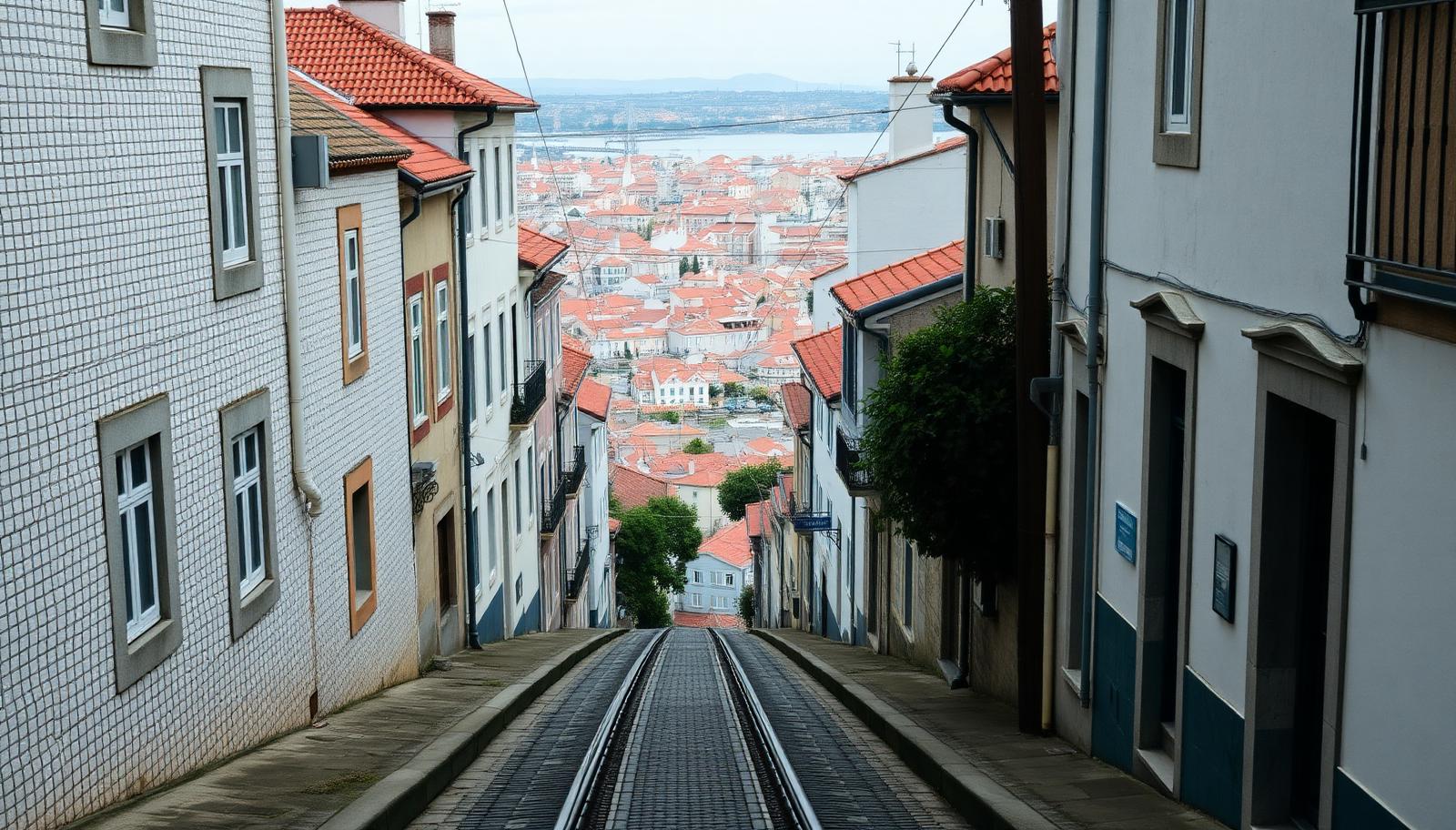
The city is hilly, which matters more for daily life than visitors usually notice, and the metropolitan area extends well beyond the center. Households priced out of central Lisbon often look at the south bank or the western suburbs, which changes commute patterns considerably.
Porto
Porto offers a smaller and more compact city with a real economy of its own, generally lower housing costs than Lisbon, good rail connections south, and an international airport. Winters are cooler and noticeably wetter than in the south. The international community is smaller than Lisbon's but established, and the university presence keeps the city young.
The Silver Coast
The coastal region between Lisbon and Porto, including areas around Caldas da Rainha, Nazaré, Figueira da Foz, and Aveiro, generally offers lower housing costs, quieter towns, and Atlantic weather. Some towns have year round populations and some are seasonal. Healthcare tends to require travel to a regional hospital for specialties, and public transport between smaller towns is limited enough that most residents keep a car.
The Algarve
The Algarve has the country's largest established foreign resident population, the most English spoken in daily life, and a well developed private healthcare sector alongside the public system. The region is also strongly seasonal in parts, with towns that are busy in summer and quiet in winter, and housing that is often priced for holiday use. Faro's airport connects well within Europe and less directly to the United States.
For some households the existing international community is the main attraction. For others it is a reason to look elsewhere, since it is possible to live there for years without functional Portuguese.
Central Portugal
Inland regions around Coimbra, Castelo Branco, and the Serra da Estrela offer the lowest housing costs on the mainland and a strongly Portuguese daily life. Coimbra has a major university and hospital. Smaller inland towns have fewer services, colder winters than the coast suggests, older housing stock that is frequently poorly insulated, and limited public transport.
Madeira
Madeira offers a mild climate year round, a compact main city in Funchal, and an active international community. It is an island, so mainland travel means flights, some goods cost more, and the terrain is steep almost everywhere. Specialist healthcare is available in Funchal, with more complex cases sometimes referred to the mainland.
The Azores
The Azores are quieter and more remote, with a green, changeable Atlantic climate and a slower pace. Costs are generally low. The tradeoffs are inherent to island life at distance: fewer flight connections, limited specialist healthcare, and a smaller market for housing, services, and employment.
Housing
Rental supply is tight in Lisbon and Porto and easier elsewhere, though quality varies. Older Portuguese housing is often built without central heating and with limited insulation, which matters in winter along the coast and inland more than the climate reputation suggests. Purchases involve transfer tax, stamp duty, notary and registration costs, and, for older buildings, renovation questions that deserve a survey rather than an estimate.
Transportation
Lisbon and Porto have functioning metro and bus networks, and intercity rail along the coast is reasonable. Elsewhere, public transport thins out quickly and most households run a car. Vehicle costs and fuel are higher than U.S. norms, and tolls are common on the main motorways.
Healthcare access
Portugal has a national health service that residents access after registering with a local health center and being assigned a family doctor, along with a substantial private sector used by many residents for faster access to consultations. Availability of family doctors and waiting times differ by region. Households with specific ongoing needs should confirm where the relevant specialty is provided before committing to a town.
Climate
The country is mild by European standards and not uniform. Summers are hot and dry in the interior and the Algarve, cooler on the Atlantic coast, and Porto and the northwest get substantial rain in winter. Indoor comfort in winter depends heavily on the building rather than the outdoor temperature.
Language
English is widely spoken in Lisbon, Porto, the Algarve, and in tourism generally, and much less so in local administration, health centers, and smaller towns. European Portuguese is different enough from Brazilian Portuguese in pronunciation that learners should choose materials accordingly.
Community and year round livability
The most practical test for any Portuguese location is whether it works in January. Ask whether the restaurants, schools, clubs, medical services, and neighbors are present out of season, how far the nearest hospital is, and whether the household would still have a routine if the weather were poor for three weeks. A place that passes that test tends to hold up. A place chosen for August often does not.
Related resources
Americans Abroad Europe provides general educational information only. This article does not constitute legal, tax, immigration, accounting, investment, financial, property, or real estate advice. Rules and procedures may change, and individual circumstances vary. Readers should consult appropriately qualified professionals regarding their own situation.