Living in Spain Is Not the Same as Visiting Spain
A holiday can show you what a place looks like. Living there requires understanding how the country works day to day.
By Americans Abroad Europe
20 August 2026 · 8 min read
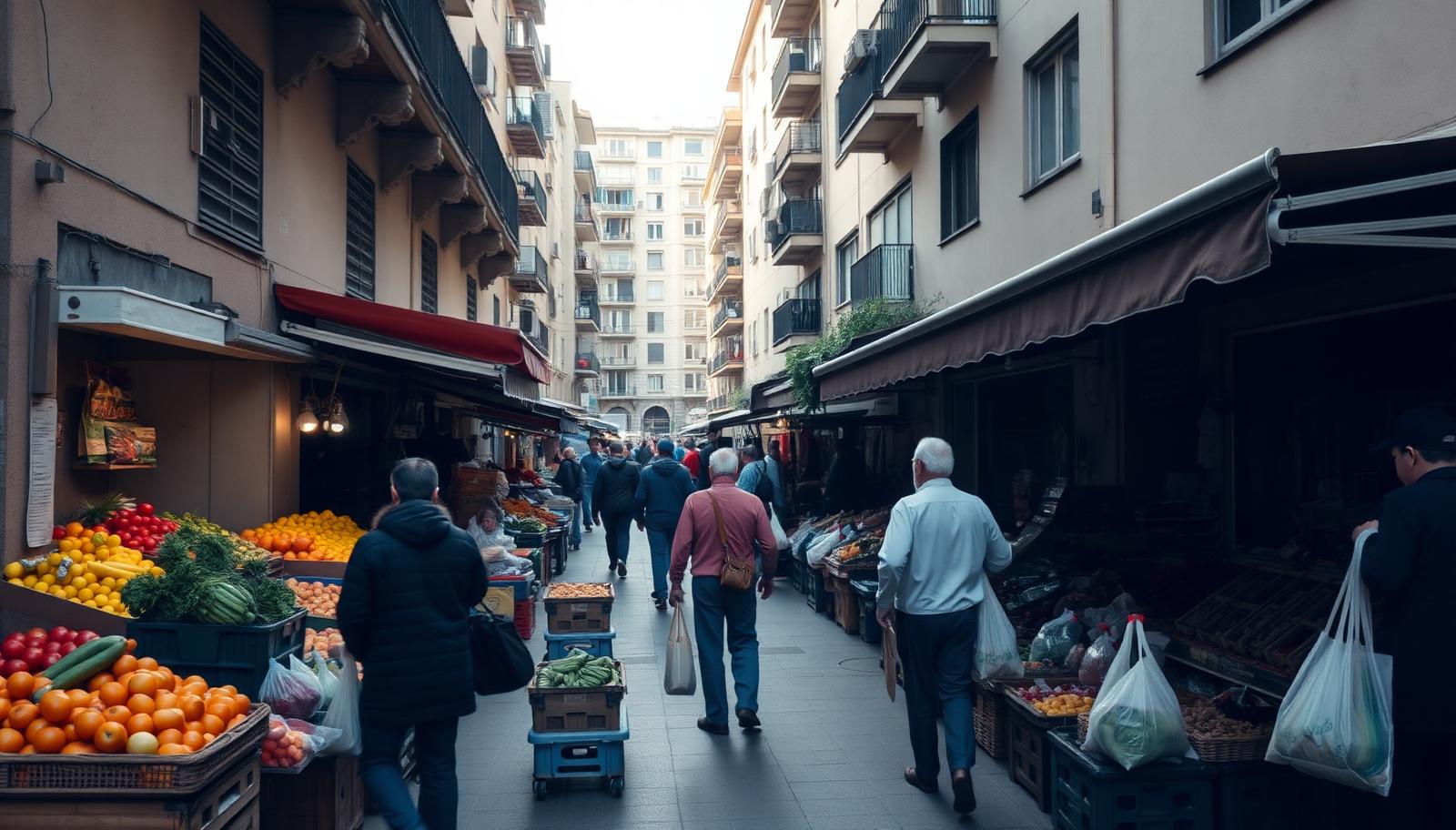
Visitors experience a curated version of any country. They use the parts that are designed to be easy: transport between well connected points, restaurants, and accommodation arranged by someone else. Residents use the other parts, including the ones that involve appointments, forms, waiting rooms, and institutions that were not designed with newcomers in mind. Spain is a rewarding place to live for many Americans. It is also a country with its own operating logic, and understanding that logic is what turns an appealing idea into a workable plan.
Bureaucracy and administrative timelines
Spanish administration is generally methodical and document driven. Processes often require an appointment obtained through an online system, a specific form, original documents, and sometimes a payment made before the appointment rather than at it. When one element is missing, the usual outcome is a new appointment rather than an exception.
The practical consequence is that timelines are set by availability rather than by effort. A task that takes twenty minutes at a counter may take six weeks to reach. Residents who plan around this, by booking early and treating documents as a standing file rather than a one time task, find the system predictable. Residents who plan around the twenty minutes find it frustrating.
Regional differences
Spain distributes significant responsibility to its autonomous communities, including in healthcare and education, and municipalities administer much of what a resident touches weekly. This means the answer to a practical question frequently depends on where you live rather than on national rules alone. Advice from someone in a different region may be accurate for them and wrong for you.
Public services
Public services in Spain are widely used and generally well regarded, and they operate on their own conventions. Registration usually precedes access. Written notices carry deadlines. Communication often arrives by post or through an official electronic notification system rather than by email. A digital certificate or equivalent electronic identity is increasingly useful for dealing with authorities without an in person visit.
Healthcare navigation
The clinical quality of Spanish healthcare is not usually what surprises newcomers. The navigation is. Care is typically organized around an assigned primary physician who acts as the route to specialists, and self referral is not the norm. Waiting times vary by region and specialty. Many residents combine public coverage with private insurance to shorten waits for non urgent consultations, which is a practical arrangement rather than a criticism of either system.
Business hours and local routines
Daily rhythm differs from the American default. Lunch is later and often longer, dinner is later still, and many small businesses and administrative offices close in the early afternoon, particularly outside the largest cities. Public offices frequently operate in the morning only. August is a genuinely quiet month in much of the country, and processes that depend on other people can slow considerably.
None of this is an obstacle once it is expected. It becomes one when a household schedules its week as if the surrounding country were open at the same hours it would be at home.
Language
Spanish is the language of administration, healthcare, schooling, and most workplaces. In several regions a co official language sits alongside it in public life and local schooling. English is common in tourism and in parts of the international business community, and considerably less common in a town hall, a clinic, or a utility company's call center.
The realistic standard for the first year is not fluency. It is enough language to read a formal letter, ask a clarifying question, and recognize when you need help. That level is achievable with consistent study and it changes daily life more than any other single preparation.
Social life and community
Social life in Spain is substantially public and habitual: the same square, the same café, the same time. It tends to be welcoming and slow to convert into close friendship, which is normal rather than exclusionary. Community usually forms through repetition, so the households that settle fastest are the ones that commit to a weekly activity, a school community, a sport, or a class and keep showing up.
Relying entirely on an English speaking expatriate network is comfortable and can be limiting. Those networks are valuable for practical information and often transient, since a significant share of the people in them leave within a few years.
Turning a lifestyle idea into an operational plan
The move works when the appealing idea is expressed as a set of arrangements. Where will you live, and does that place function in February as well as in July? How will healthcare work for the conditions your household actually has? What is the plan for income, and does your residence status permit it? Who handles administration, and in what language? How will U.S. accounts and obligations be managed from a different time zone?
Answering those questions does not make the move less appealing. It makes the appeal durable, which is the difference between a good holiday and a good life.
Related resources
Americans Abroad Europe provides general educational information only. This article does not constitute legal, tax, immigration, accounting, investment, financial, property, or real estate advice. Rules and procedures may change, and individual circumstances vary. Readers should consult appropriately qualified professionals regarding their own situation.