Choosing Where to Live in Italy as an American
Italy is not one relocation experience. The practical reality changes significantly between major cities, smaller towns, northern regions, central Italy, the south, and the islands.
By Americans Abroad Europe
25 August 2026 · 9 min read
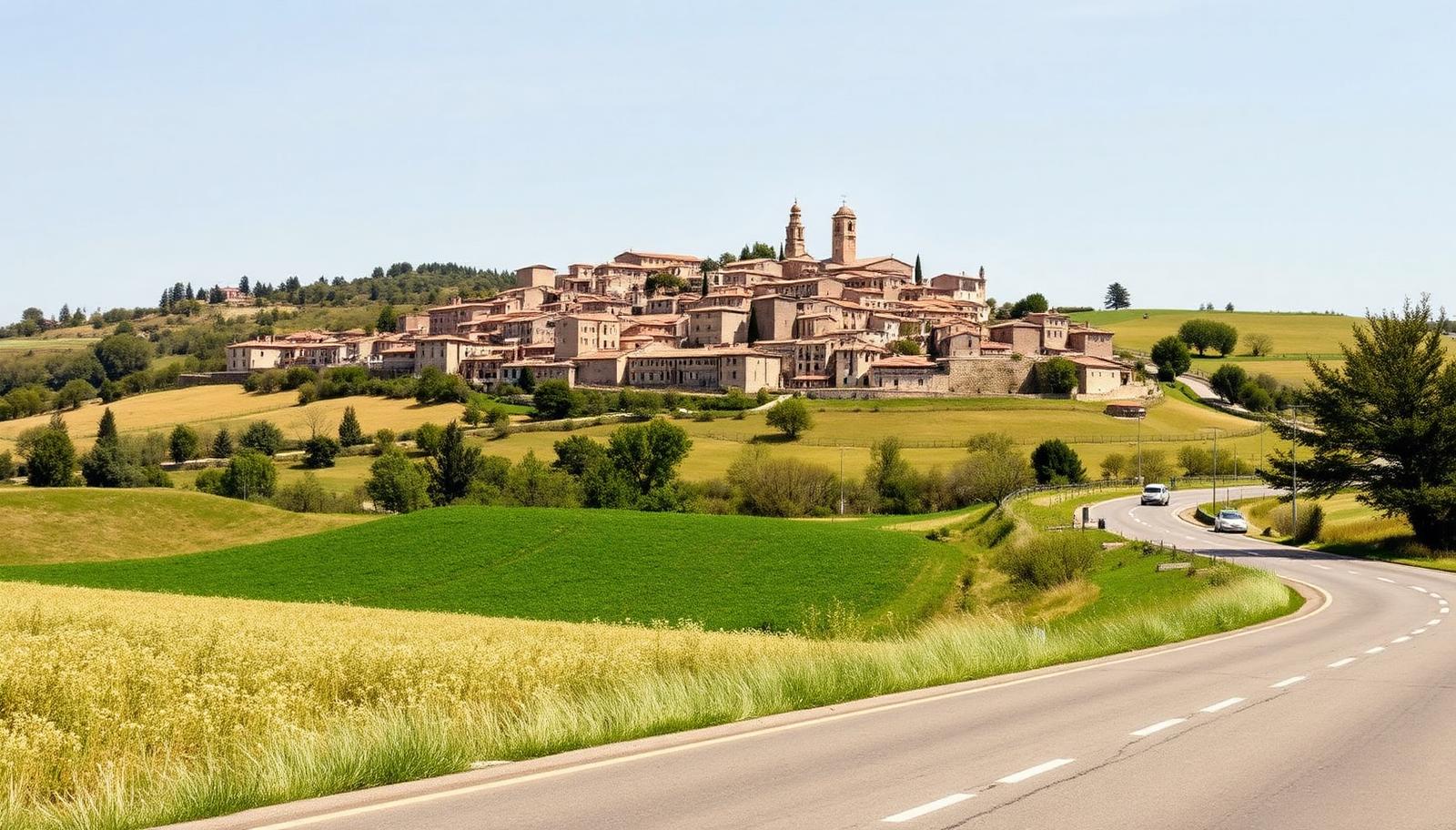
Americans moving to Italy often begin with the country and finish with a region, when the more useful order is the reverse. Housing markets, healthcare access, transport, employment, schooling, and the pace of local administration differ enough between Italian regions that the same household can have two entirely different experiences depending on where it lands.
What follows compares tradeoffs. No location here is presented as the best, because the right answer depends on income source, family stage, language ability, medical needs, and how much administrative friction a household is prepared to absorb.
Rome and Milan
Rome offers institutional depth, international schooling, English speaking professional services, and direct long haul flights. It also has a housing market that rewards patience, traffic that shapes the day, and a municipal administration that many residents describe as slow. Milan is the country's business and finance center, with the most international job market, strong rail connections, and generally more efficient public services. Housing costs are the highest in Italy and the climate is continental rather than Mediterranean, with cold, often grey winters.
Both cities suit households that need employment, specialist healthcare, or international schooling. Both come at a cost premium that is difficult to justify for a household that could work anywhere.
Central Italy
Florence, Bologna, and the surrounding regions offer a middle path: substantial cultural and university infrastructure, good rail connections, established international communities, and prices below Milan. Bologna in particular is well connected by train and has a strong local economy. Smaller Tuscan and Umbrian towns are less expensive again, with the tradeoffs common to small places everywhere: fewer services, less rental stock, and greater dependence on a car.
Northern cities
Turin, Verona, Padua, Trieste, and Bolzano combine functioning public services, proximity to the Alps and to other European countries, and comparatively moderate housing costs. Public administration in the north is often faster, and healthcare regions in the north tend to score well on access measures. Winters are colder and the international community is smaller than in Rome or Milan.
Southern Italy
Naples, Bari, Lecce, and the surrounding regions offer the lowest costs on the mainland, a warmer climate, and a strong local culture. Rental and purchase prices can be dramatically lower than in the north. The tradeoffs are real as well: fewer international schools, a thinner professional job market, longer travel to certain medical specialties, and administrative processes that can move more slowly. Some incentive schemes intended to attract residents to smaller southern municipalities exist and change over time, and they should be verified directly rather than assumed.
Sicily and Sardinia
The islands offer distinct cultures, lower costs, and landscape that draws people permanently rather than seasonally. They also introduce logistics: flights and ferries rather than trains for most mainland travel, seasonal variation in services in tourist areas, and, in smaller communities, longer journeys for specialist healthcare. For households that travel to the United States frequently, connection times through Rome or Milan become a weekly reality rather than an abstraction.
City living versus small town life
The choice between a city and a small town is usually more consequential than the choice of region. Cities provide anonymity, services, transport, and English speaking options. Small towns provide lower costs, faster social integration, and a stronger sense of belonging, along with a near certain requirement to speak Italian and to own a car.
Small towns also have thin rental markets. A household that plans to rent for a year before buying may find few suitable long term properties available, particularly outside the summer season.
Transportation
Italy's rail network is excellent between major cities and thinner in rural areas and the south. High speed lines link Turin, Milan, Bologna, Florence, Rome, Naples, and Salerno, which makes a city on that spine unusually well connected. Away from it, regional trains and buses run less frequently and a car becomes necessary. Driving in historic centers is restricted in most cities, and those restrictions are enforced by camera.
Healthcare access
Italy's national health service is administered regionally, and both funding and waiting times vary between regions. Registration with the local health authority and assignment of a general practitioner is the standard route into the system. Households with specific ongoing medical needs should check where the relevant specialty is actually available before choosing a town, rather than after.
Housing
Rental contracts in Italy come in defined types with different durations and protections, and the type affects both cost and stability. Purchases involve notary fees, taxes that differ depending on whether the property becomes a primary residence, and, for older properties, renovation questions that are frequently underestimated. Condominium buildings carry shared charges and collective decisions that can be slow.
Climate
Climate varies more than the popular image suggests. The Po Valley is humid in summer and cold and foggy in winter. Alpine areas have real winters. The south and islands are hot and dry in summer, with heat that increasingly affects daily routine. Older housing stock in much of the country was built for warmth retention rather than cooling, and heating costs in the north are a meaningful part of a budget.
Community and language
English is common in tourism and in international business in Milan and Rome. It is not common in local administration, healthcare, or ordinary daily life, and the smaller the town, the more Italian is required. Community forms readily in Italy around repetition and neighborhood, and households that arrive with functional Italian tend to describe a shorter settling period.
The way to use this comparison is to shortlist two or three places, then test each against the same criteria: housing available at your budget, healthcare for your household's needs, transport for the trips you actually take, schooling, and whether the place functions year round.
Related resources
Americans Abroad Europe provides general educational information only. This article does not constitute legal, tax, immigration, accounting, investment, financial, property, or real estate advice. Rules and procedures may change, and individual circumstances vary. Readers should consult appropriately qualified professionals regarding their own situation.